Contrast Therapy: The Efficient Home Recovery Protocol
If you had to choose a single addition to a home wellness routine — not the most complex or time-intensive, but one that delivers a distinct experience per session — contrast therapy stands out.
The deliberate alternation of heat and cold has been used for decades in performance, recovery, and wellness settings. Individually, both heat and cold exposure are widely studied and practiced. Together, they create a combined stimulus that many people incorporate into structured routines.
This guide covers how contrast therapy works, how to structure a session, how often to use it, and the common mistakes that prevent people from getting the most out of the practice.
What Happens During Contrast Therapy
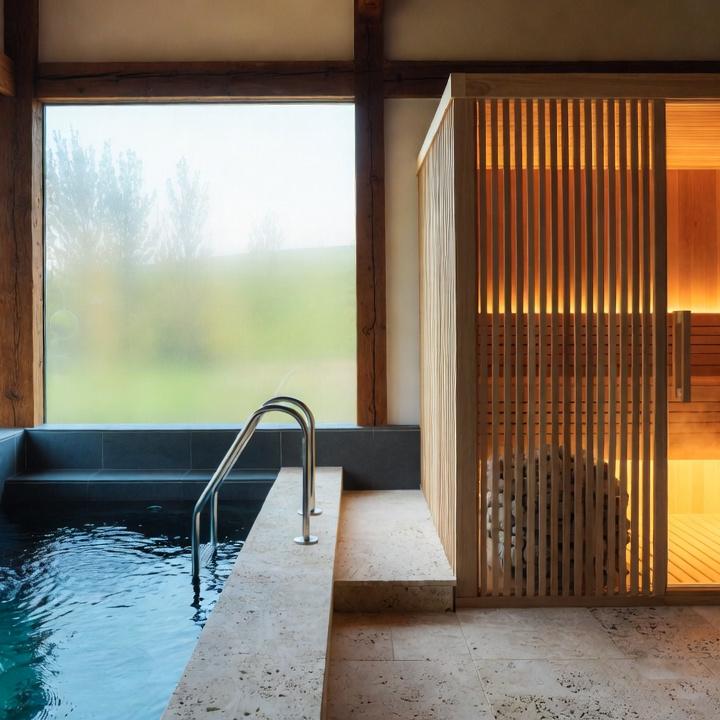
Contrast therapy involves alternating between heat exposure (such as a sauna) and cold exposure (such as a cold plunge). This creates a repeating cycle of expansion and contraction in the body’s response to temperature.
Circulatory Response
Heat exposure encourages vasodilation — blood vessels widen. Cold exposure encourages vasoconstriction — blood vessels narrow. Alternating between the two creates a dynamic circulatory pattern that is often discussed in the context of recovery and general wellness routines.
Temperature Contrast
The transition from hot to cold creates a strong sensory shift. Many people report feeling deeply relaxed after heat exposure and more alert following cold exposure, making the combination uniquely engaging.
Combined Effect
When used together, heat and cold exposure are often included in routines focused on recovery, relaxation, and overall well-being. The contrast between the two environments creates a broader range of stimulus than either alone.
The 3-Step Contrast Therapy Protocol
This is a simple, repeatable starting point.
Step 1: Heat
Enter your sauna:
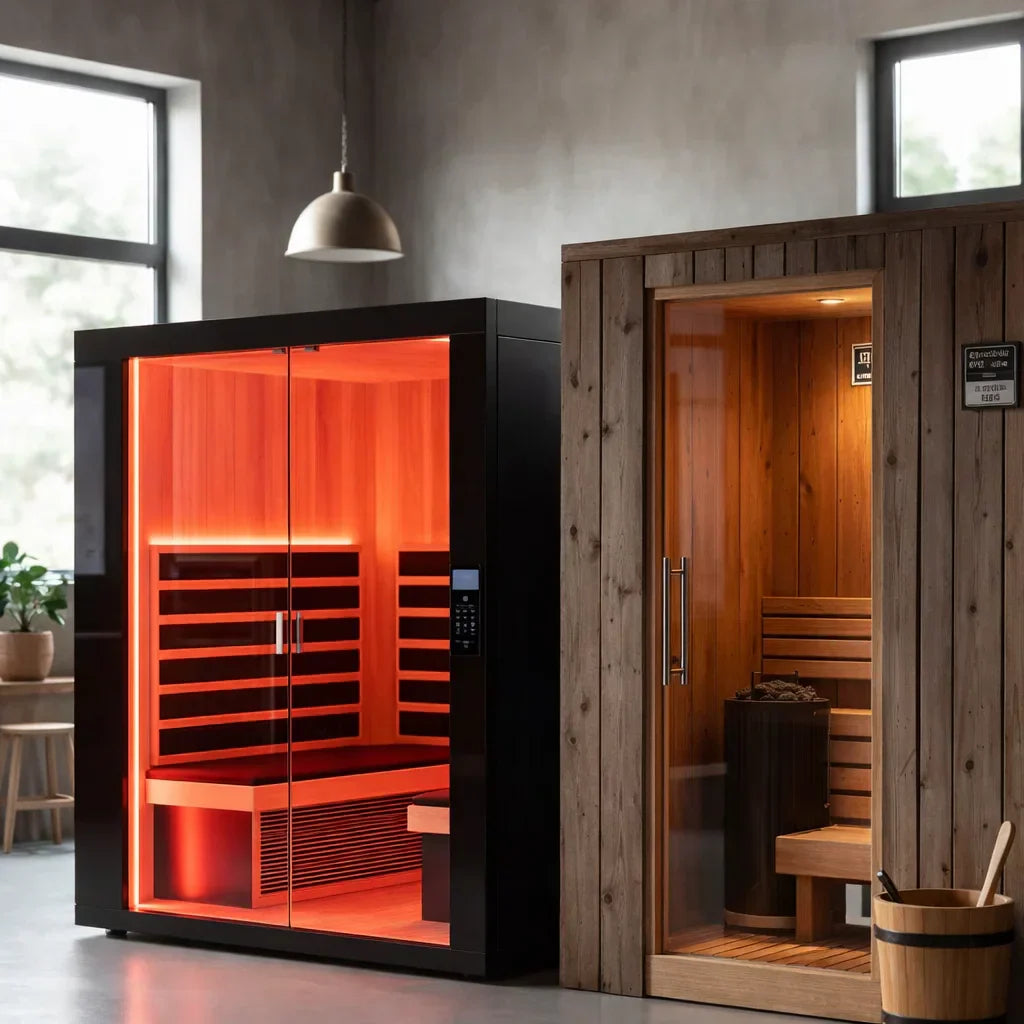
- Traditional: 170–190°F (77–88°C)
- Infrared: 130–150°F (54–66°C)
Stay for 15–20 minutes. You should feel fully warmed, with a noticeable rise in body temperature and heart rate.
Step 2: Cold
Move to your cold plunge within 30 seconds.
- Temperature: 50–59°F (10–15°C)
- Duration: 3–5 minutes
Focus on controlled breathing as you enter. Slow, steady exhales help you settle into the cold more comfortably.
Step 3: Rest
Rest for 10 minutes after exiting the cold.
This phase allows your body to return toward baseline and is an important part of the overall experience. Sit or lie down comfortably, breathe slowly, and hydrate.
Repeat
Complete 2–3 full rounds per session.
- 2 rounds → general use
- 3 rounds → more structured sessions
How Often to Use Contrast Therapy
General Wellness
3–4 sessions per week works well for most people.
Consistency Over Intensity
Some people incorporate shorter or modified sessions more frequently. The key is consistency over time rather than pushing intensity in a single session.
Training and Recovery
Contrast therapy is commonly used after more demanding physical activity or as part of a broader recovery routine.
Minimum Effective Use
Even 1–2 sessions per week, done consistently, can become a meaningful part of a long-term routine.
Common Mistakes to Avoid
Moving Too Slowly Between Heat and Cold
Keep transitions short. Ideally, move between sauna and cold plunge within 30 seconds.
Starting Too Cold
Extremely cold water is not necessary at the beginning. Start in the mid-to-high 50s°F and adjust gradually over time.
Skipping the Rest Phase
The rest period is part of the structure. Skipping it reduces the overall quality of the session.
Breath-Holding Near Water
Avoid breathwork techniques in or near the cold plunge. Keep breathing steady and controlled.
Expecting Immediate Results
The most noticeable early effects are often how you feel immediately after a session. The value of the routine builds over time through consistency.
Contrast Therapy as a Long-Term Practice
Contrast therapy is often discussed as part of long-term wellness and performance routines.
Both heat and cold exposure create distinct physiological responses. Research has explored their individual and combined effects across a range of settings, and many people incorporate contrast therapy as a consistent practice to support how they feel day-to-day.
The long-term value comes less from any single session and more from the consistency of the routine over time.
|
Build Your Contrast Setup A sauna and cold plunge positioned within steps of each other is the foundation of the most evidence-backed home recovery environment available. Solevo Life designs both to work together — and to look exceptional doing it. |
Scientific References
1. Laukkanen T et al. (2015). JAMA Internal Medicine https://pubmed.ncbi.nlm.nih.gov/25705824/
2. Søberg S et al. (2021). Cell Reports Medicine https://pubmed.ncbi.nlm.nih.gov/34755128/
3. Moore E et al. (2023). British Journal of Sports Medicine https://bjsm.bmj.com/content/57/10/620
Disclaimer
|
This content is for educational purposes only and is not intended as medical advice. Always consult a qualified healthcare professional before beginning any wellness or health protocol. |