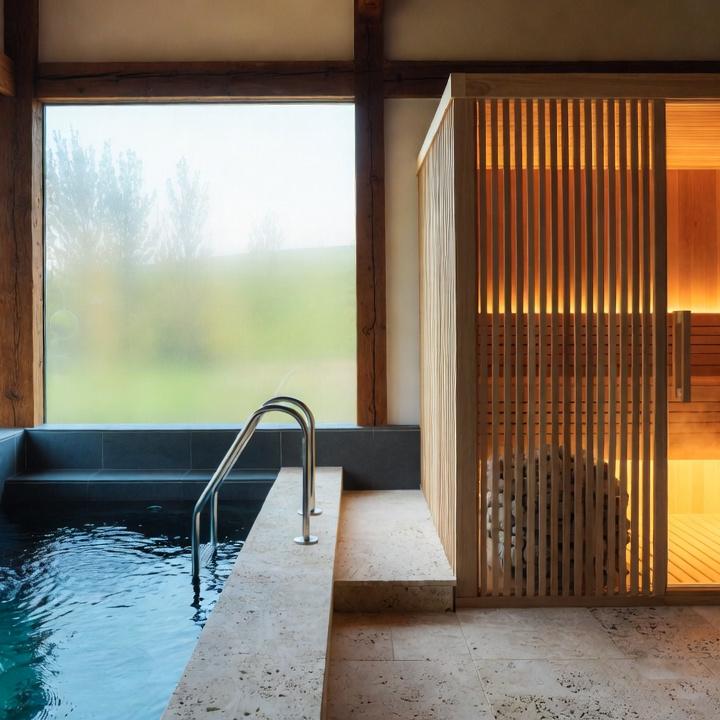
Article: Red Light Therapy + Cold Plunge: A Smarter Recovery Sequence
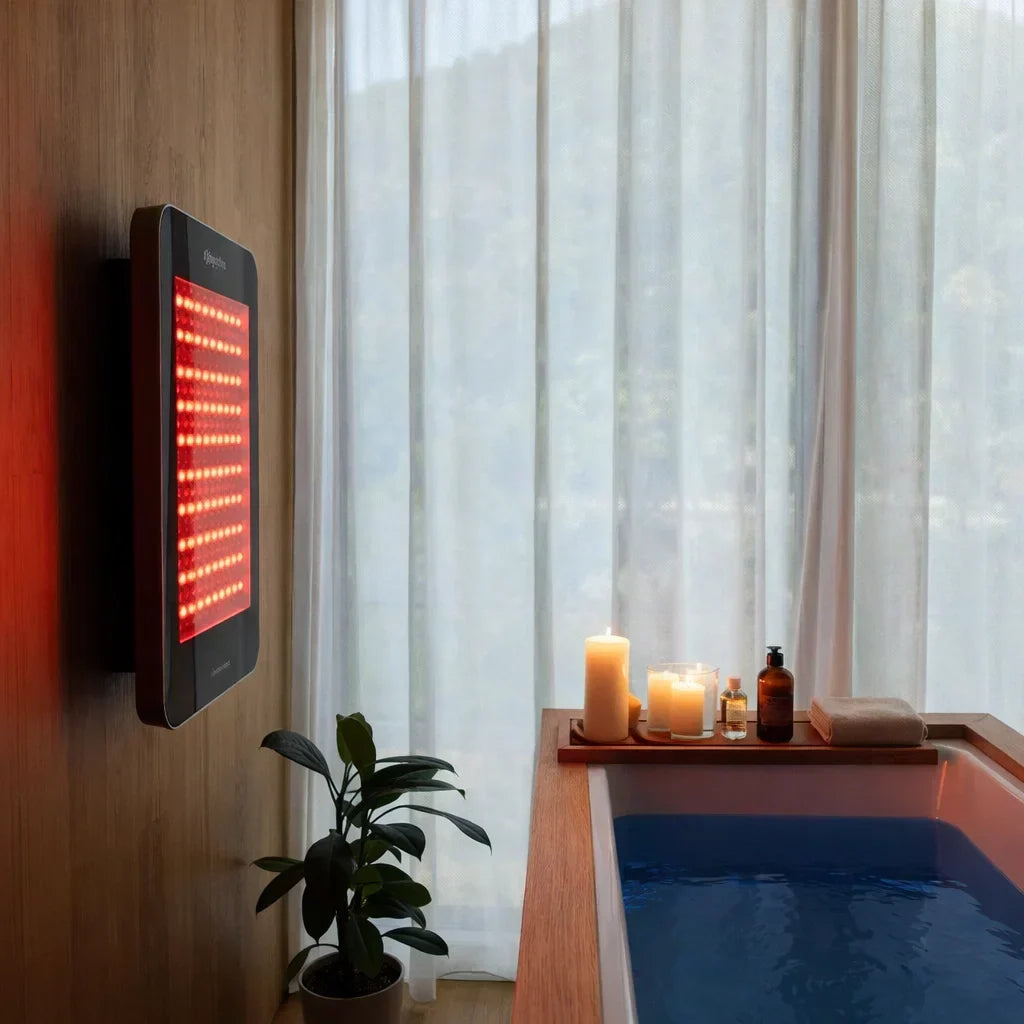
Red Light Therapy + Cold Plunge: A Smarter Recovery Sequence
The limiting factor in most training progress is not effort — it’s recovery.
Training creates the stimulus. Recovery is where the body adapts to that stimulus over time.
When recovery is consistent, training compounds. When it is not, fatigue accumulates.
Red light therapy and cold water immersion are two of the most commonly used tools in structured recovery routines. Each works differently. Used together — and sequenced correctly — they create a more complete approach to post-training recovery.
Understanding Post-Workout Recovery
After training, the body moves through several phases of response and adaptation.
These are often described in terms of:
- muscle fiber stress from mechanical loading
- metabolic byproducts from energy use
- short-term inflammatory signaling
- connective tissue strain
Recovery is the process of returning toward baseline and preparing for the next session.
Different tools interact with different parts of that process — which is why combining methods can be useful.
How Cold Plunge Fits Into Recovery
Cold water immersion is widely used after training sessions.
Typical parameters:
- 50–59°F (10–15°C)
- 3–8 minutes
Cold exposure creates an immediate shift in the body’s response to temperature and environment. Many people report:
- a noticeable change in perceived fatigue
- increased alertness after the session
- a different “reset” feeling compared to passive rest
Cold immersion is often used shortly after training or later in the day, depending on the routine.
How Red Light Therapy Fits Into Recovery
Red and near-infrared light therapy operates differently.
Typical parameters:
- 660nm / 850nm wavelengths
- 10–20 minutes per treatment area
Photobiomodulation is studied in relation to how light interacts with cellular processes — particularly in muscle and connective tissue.
It is commonly used:
- before or after training
- as part of a daily routine
- or layered into a broader recovery system
Many people prefer it because it is low-friction:
- no temperature adaptation
- short session time
- easy to repeat consistently
Combining Red Light and Cold: Why It Works
These two tools are often used together because they provide different types of stimulus.
- Cold exposure creates an immediate environmental and sensory shift
- Red light provides a localized, light-based interaction at the tissue level
When combined, they allow you to structure recovery in a more deliberate way.
The Optimal Sequence: Which Comes First?
This depends on your goal.
Option 1: Cold First → Red Light Later
Best for: Post-training reset and spacing recovery throughout the day
- Cold plunge: within 30–60 minutes after training
- Red light: 30–60 minutes later, or later in the day
This sequence separates the two stimuli and allows each to be experienced independently.
Option 2: Red Light First → Cold Later
Best for: Structuring a more complete session
- Red light: within 1–2 hours after training
- Cold plunge: 30–60 minutes after red light
This sequence is often used when both are performed in the same window.
Option 3: Separate Sessions (Most Practical)
Best for: long-term consistency
- Red light: morning (10–15 minutes)
- Cold plunge: morning or post-workout
Separating them by several hours is often the most sustainable approach.
A Note on Timing and Strength Training
Some research has explored how immediate cold exposure after resistance training may influence certain training adaptations.
For those prioritizing strength or muscle-building phases:
- consider delaying cold exposure by several hours after training
For general fitness, endurance training, or recovery-focused routines:
- this timing is less critical
Weekly Structure: A Practical Approach
Baseline Routine
- Red light therapy: 4–5× per week · 10–20 min
- Cold plunge: 3–4× per week · 3–5 min
Optional Contrast Sessions
- Sauna → cold → rest
- 2–3 rounds
- 2–3× per week
Time Investment
- ~3–5 hours per week total
What to Expect Over Time
Week 1–2
Sessions feel new and intense. The post-session feeling is often the most noticeable.
Week 2–4
Cold exposure becomes more manageable. Red light sessions become more routine.
Month 2+
The routine becomes more consistent and easier to maintain. Many people report that recovery feels more structured and predictable.
Who Benefits Most
This type of recovery structure is commonly used by:
- individuals training 3–5+ days per week
- those balancing training with work and daily stress
- people looking to build consistent recovery habits
It is not limited to athletes — it is a framework for anyone who wants recovery to be part of their routine rather than an afterthought.
Building a Complete Recovery Setup
A simple setup makes consistency easier:
- Red light panel (daily use)
- Cold plunge (short sessions, multiple times per week)
- Optional sauna (for contrast sessions)
The goal is not complexity — it is repeatability.
|
Recover Faster The Solevo Life Recovery Bundle pairs a clinical-grade red light panel with a precision cold plunge — everything you need for a complete post-workout recovery protocol, engineered for daily home use. |
Scientific References
1. Moore E et al. (2023). British Journal of Sports Medicine https://bjsm.bmj.com/content/57/10/620
2. Leal-Junior EC et al. (2015). Lasers in Medical Science https://pubmed.ncbi.nlm.nih.gov/26042813/
3. Hamblin MR (2016). BBA Clinical https://pubmed.ncbi.nlm.nih.gov/27752476/
Disclaimer
|
This content is for educational purposes only and is not intended as medical advice. Always consult a qualified healthcare professional before beginning any wellness or health protocol. |